
(par 3. 2.1) Trophic levels and energy transfer
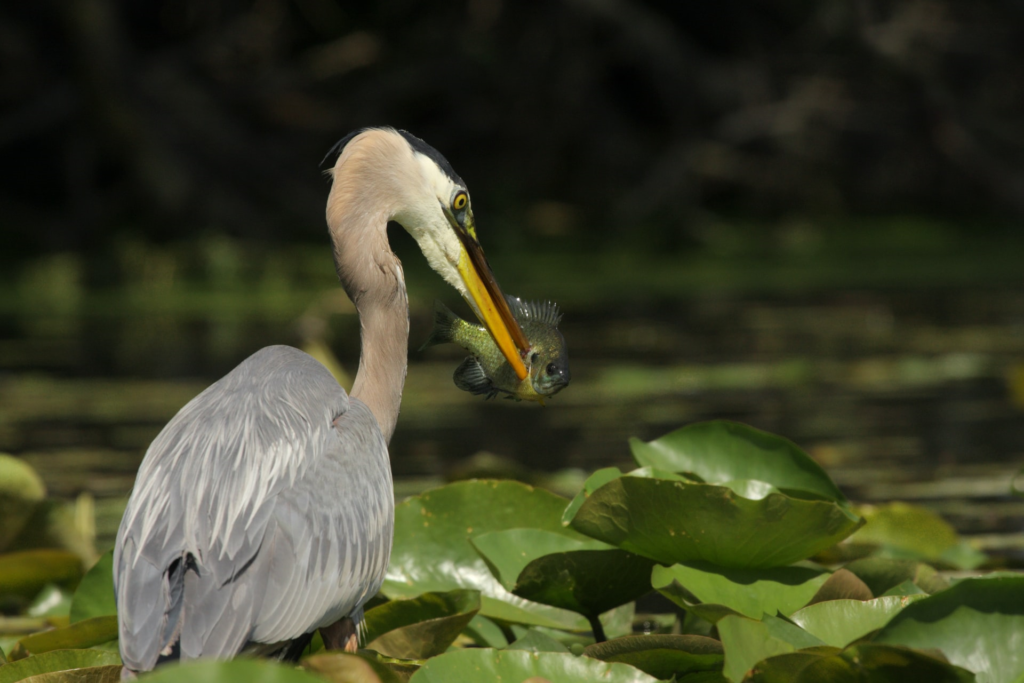
http://en.wikipedia.org/wiki/Trophic_level Trophic levels and Biomass The trophic level of an organism is the position it occupies on the food chain. The word trophic derives from the Greek τροφή (trophē) referring to food or feeding. A food chain represents a succession of organisms that eat another organism and are, in turn, eaten themselves. The number of […]
(par 3. 2.1) Food Chain: Detritus (wikipedia) Cycle
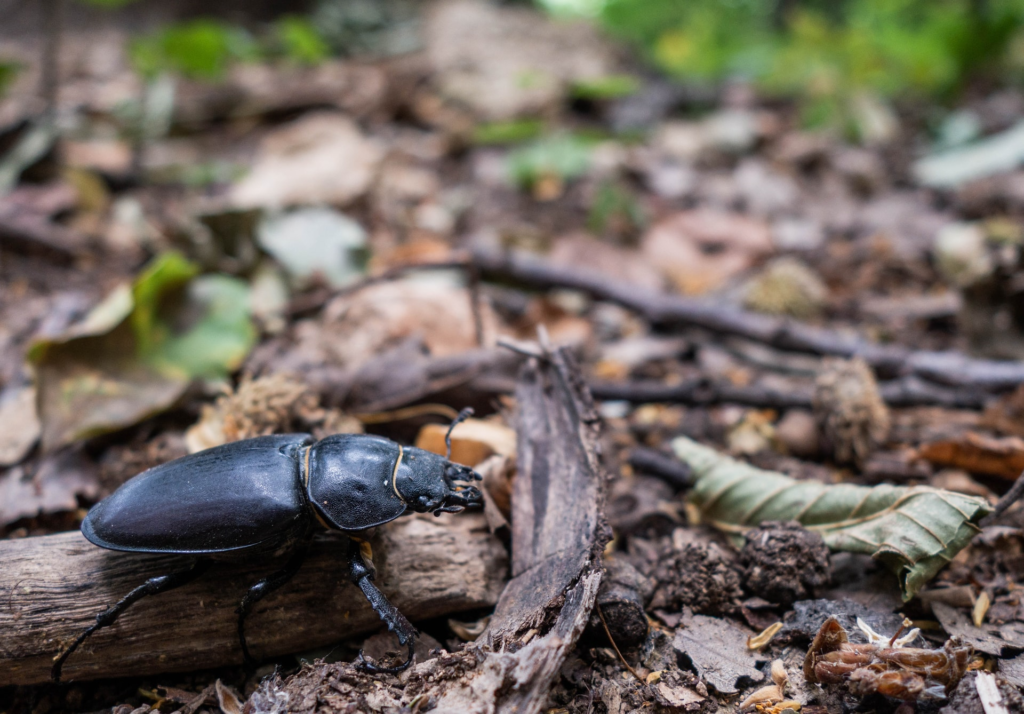
http://en.wikipedia.org/wiki/Detritus From Wikipedia, the free encyclopedia In biology, detritus (pronounced dee-try-tus) is non-living particulate organic material (as opposed todissolved organic material). It typically includes the bodies or fragments of dead organisms as well asfecal material. Detritus is typically colonized by communities of microorganisms which act to decompose(or remineralize) the material. In terrestrial ecosystems, it is encountered as leaf litter and other organic matter intermixed with soil, which is referred to as humus. […]
(par 3 .2 ) Flow of Energy in the Cycles of the Ecosystem
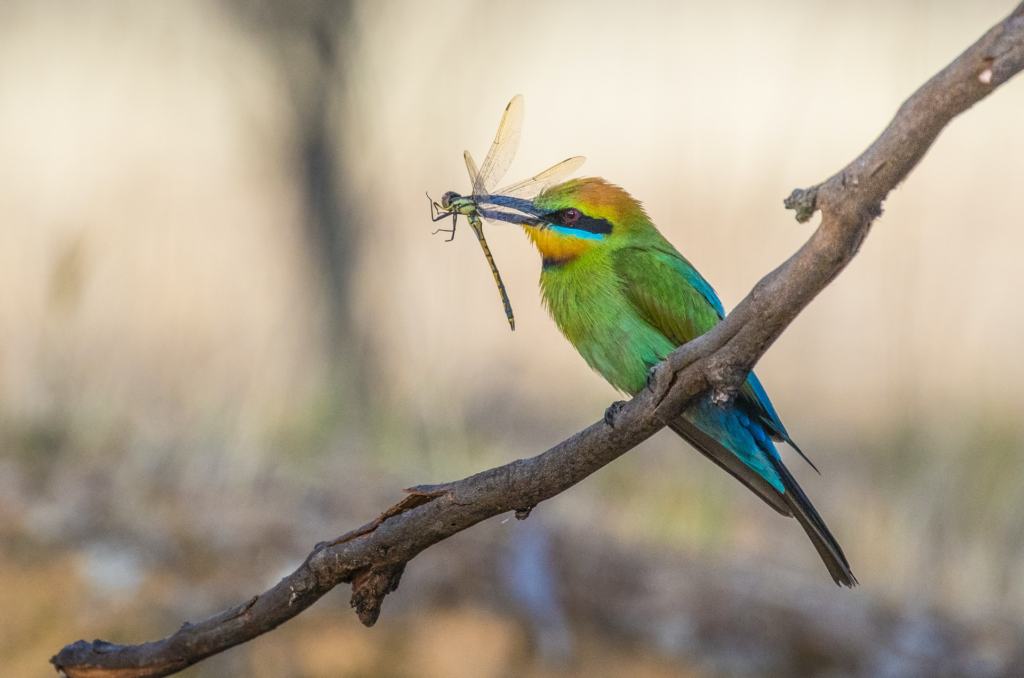
Overview The main concepts we are trying to get across in this section concern how energy moves through an ecosystem. If you can understand this, you are in good shape, because then you have an idea of how ecosystems are balanced, how they may be affected by human activities, and how pollutants will move through […]