
(par 3. 1.4) Algal bloom
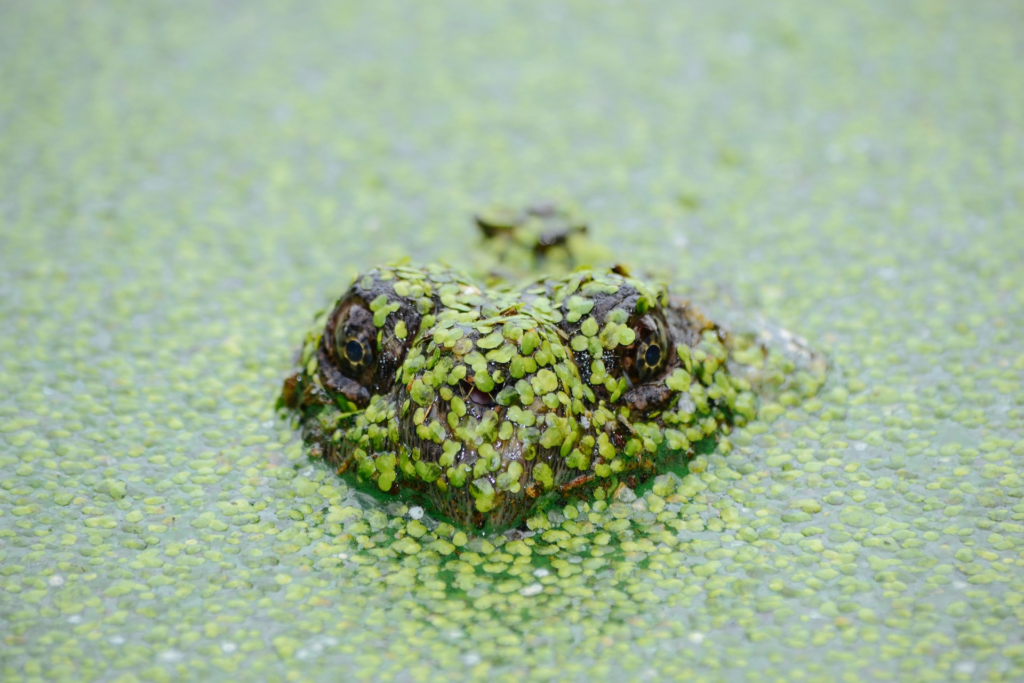
https://en.wikipedia.org/wiki/Algal_bloom From Wikipedia, the free encyclopedia Taken in October 2011, the worst algae bloom that Lake Erie has experienced in decades. Record torrential spring rains washed fertilizer into the lake, promoting the growth of microcystin producing cyanobacteria blooms.[1] An algal bloom is a rapid increase or accumulation in the population of algae (typically microscopic) in a water system. Cyanobacteria blooms are often called blue-green algae. Algal blooms […]
(par 3. 1.3) Limiting Factors: Biotic and Abiotic Factors Influence on Ecosystems
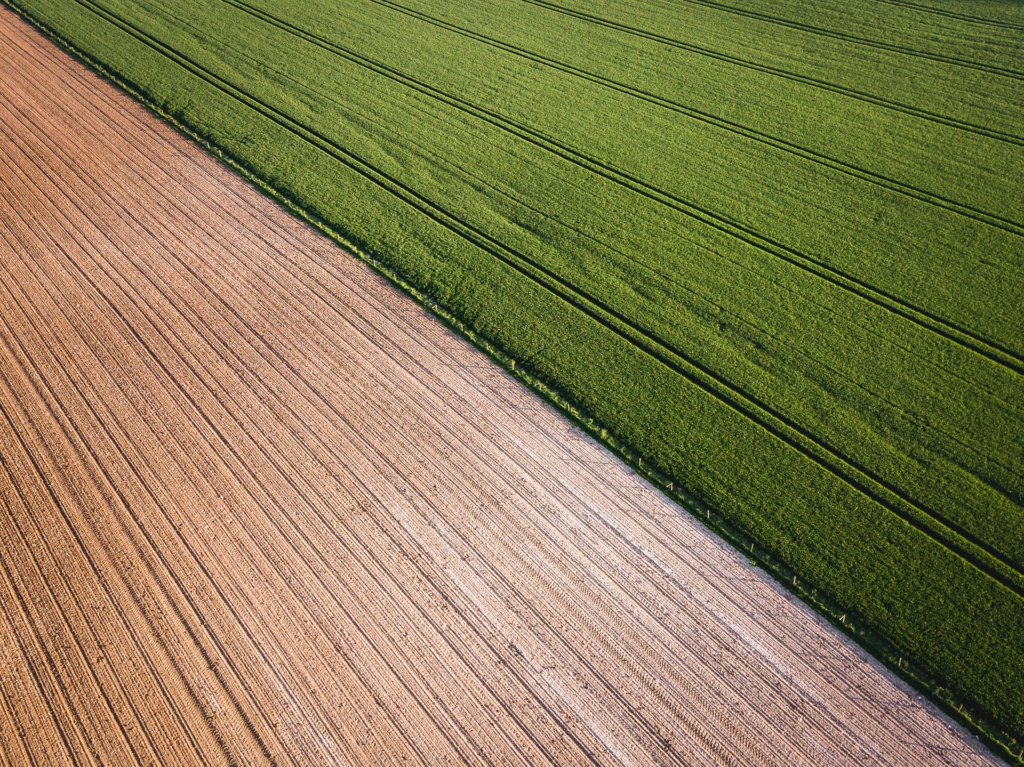
http://schoolworkhelper.net/biotic-and-abiotic-factors-influence-on-ecosystems/ Both abiotic and biotic factors determine both where an organism can live and how much a population can grow. A limiting factor is a factor that restricts the size of a population from reaching its full potential. The amount of food & water in a habitat is an example of a limiting factor. Other factors include geographical […]
(par 3. 1.2) The Second Law of Thermodynamics – Equilibrium & Heat Engines

The Second Law Again Let’s start by summarizing what we know so far (see previous page): The Second Law of Thermodynamics tells us that energy always moves from a more concentrated condition to a less concentrated, or more spread out, condition. It gets “diluted” (my word – not official). Energy will flow or move, making […]