
(par 2.2.1. 1.4) Photoperiodism (From Wikipedia, the free encyclopedia)
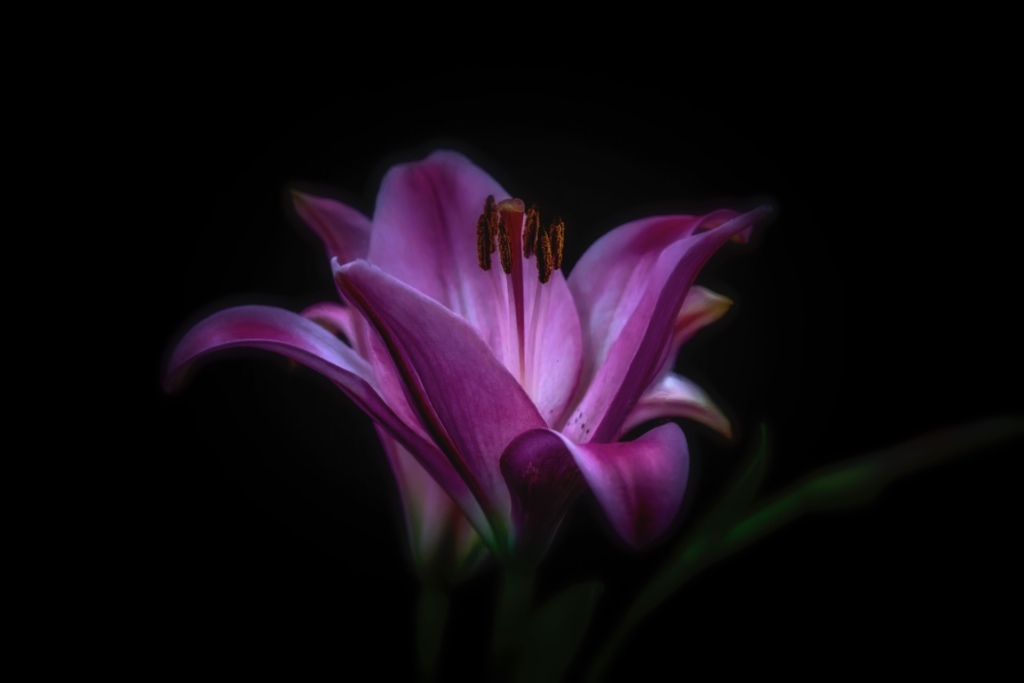
http://en.wikipedia.org/wiki/Photoperiodism From Wikipedia, the free encyclopedia Photoperiodism is the physiological reaction of organisms to the length of day or night. It occurs in plants and animals. Photoperiodism can also be defined as the developmental responses of plants to the relative lengths of light and dark periods. Contents 1 Plants 1.1 Long-day plants 1.2 Short-day plants 1.3 Day-neutral plants 2 […]
(par 2.2.1. 6.2) Soil organic matter
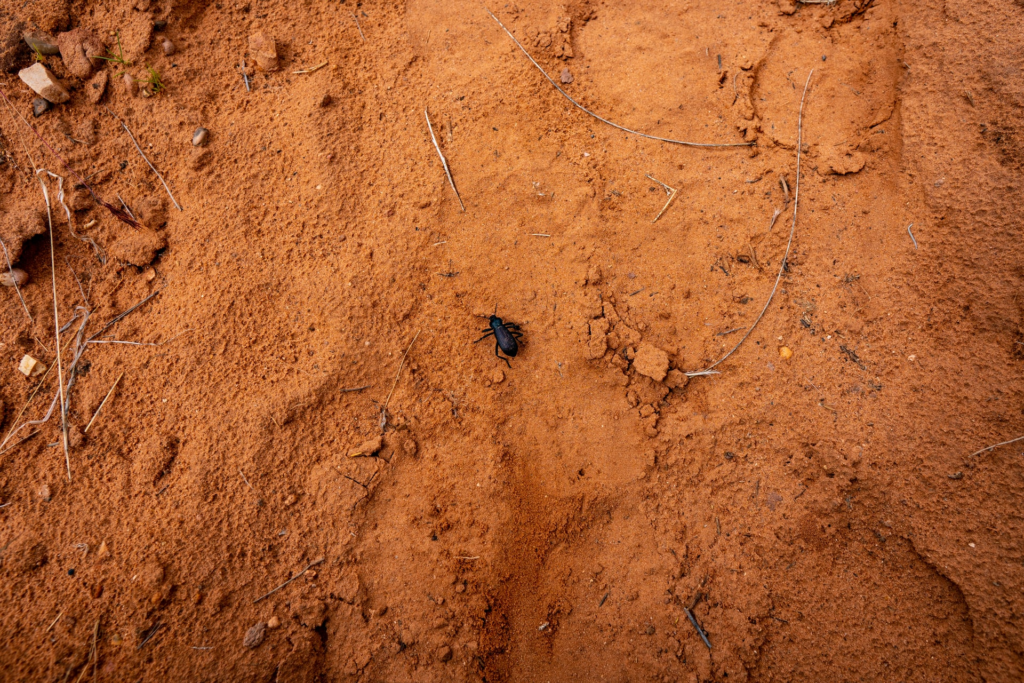
This topic has four questions: What is organic matter? What are the 4 main steps in degradation of organic matter? What is the impact of incorporating organic matter into the soil? What is humus? Question 1: What is organic matter? Organic matter is anything that contains carbon compounds that were formed by living organisms. It […]
(par 2.2.1. 6.1) What is rock?
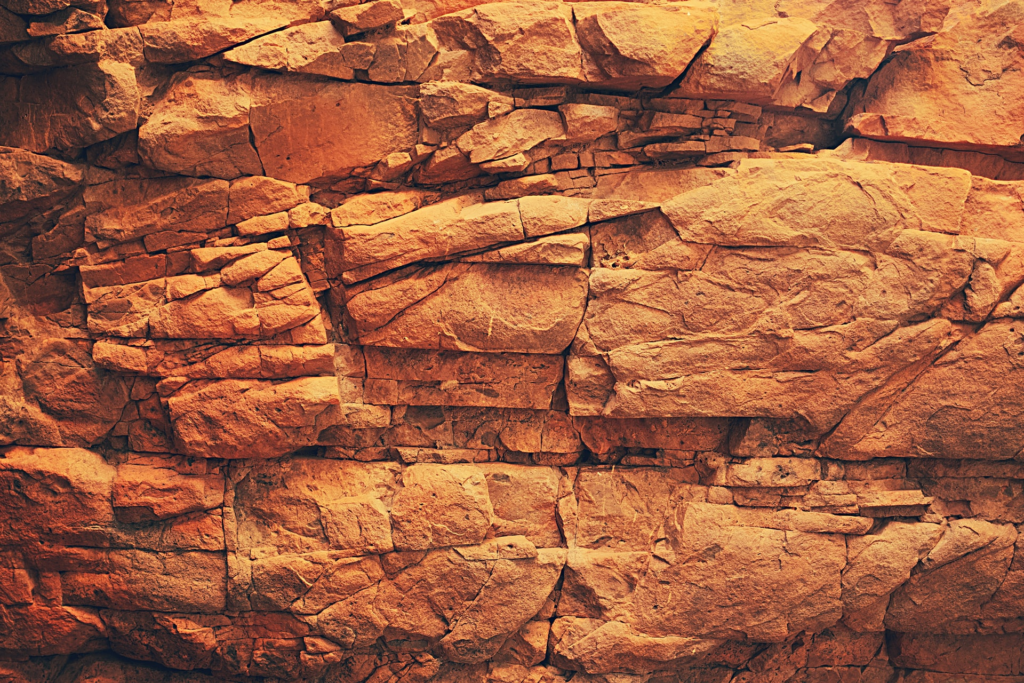
http://www.eschooltoday.com/rocks/what-is-a-rock.html They are very tiny grains of different minerals, compressed together in chemical reaction to form a bigger mass. Rocks make up non-water part of the earth’s crust. A mineral and a rock do not mean the same thing. Minerals are made of individual or a combination of elements. A mineral is composed of the same substance […]