
(par 2.2.1. 1.4) Photosynthesis – What is it?
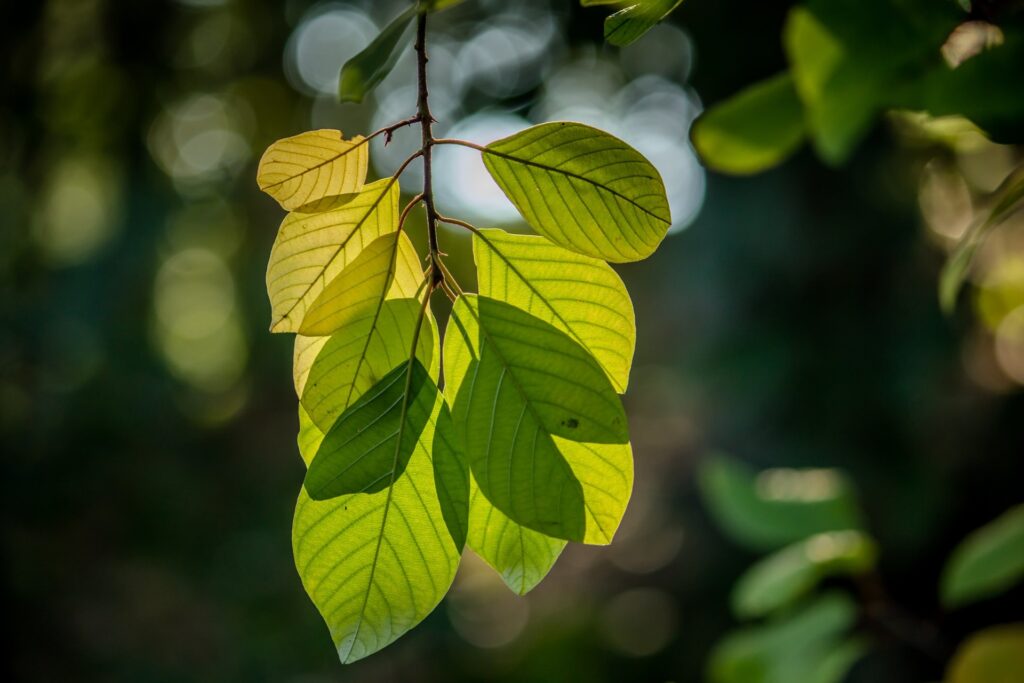
Introduction to photosynthesis http://www.eschooltoday.com/photosynthesis/introduction-to-photosynthesis.html Every living creature needs food or energy to survive. Some depend on others for food and energy, whiles others can produce their own food. Plants make their own food, glucose, in a process called photosynthesis. We say that plants can photosynthesise. Photosynthesis and respiration go hand in hand. The result of photosynthesis is glucose, […]
(par 2.2.1. 1.3) Radiation (From Wikipedia, the free encyclopedia)
http://en.wikipedia.org/wiki/Radiation From Wikipedia, the free encyclopedia In physics, radiation is the emission or transmission of energy in the form of waves or particles through space or through a material medium.[1][2] This includes electro-magnetic radiation such as radio waves, visible light, and x-rays, particle radiation such as α, β, and neutron radiation and acoustic radiation such as ultrasound, sound, and seismic waves. Radiation may also refer to the energy, waves, or particles being radiated. The word arises from the phenomenon of waves radiating (i.e., […]
(Par 2.2.1. 1.3) Impact of sun and the greenhouse effect
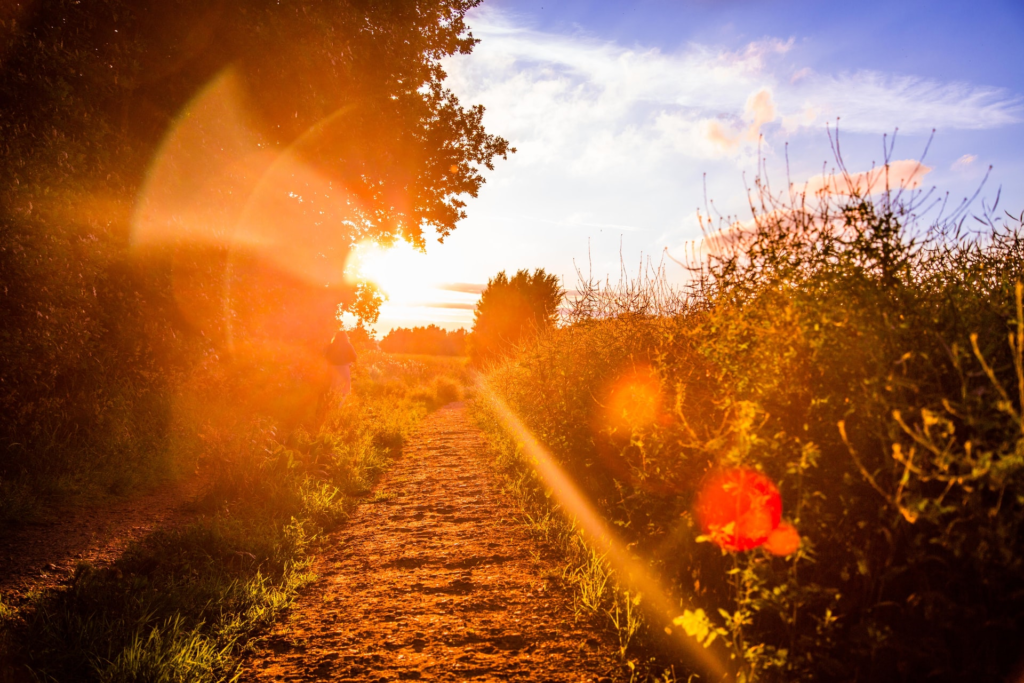
The role of the sun as heat generator on earth and how it contributes to the greenhouse effect. http://www-istp.gsfc.nasa.gov/stargaze/Sun1lite.htm Sunlight and the Earth The Sun is the brightest and most familiar object in the sky. Life on Earth would not be possible without it: • The food we eat exists because of sunlight falling on green […]