
(par 2.1 ) Ecosystems and habitats
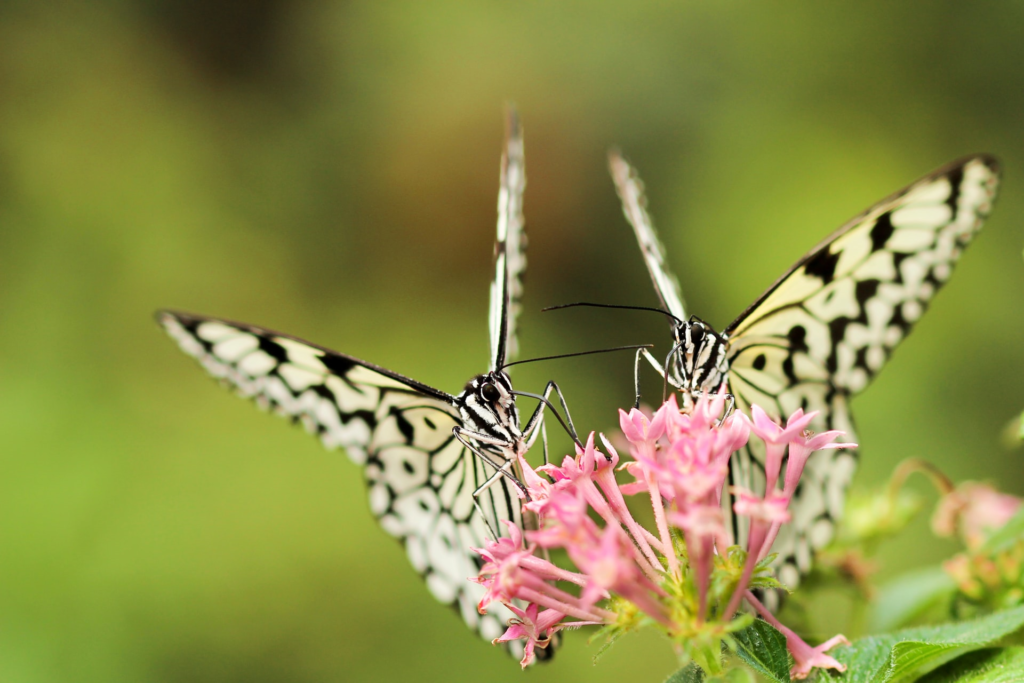
Ecosystems and habitats https://www.le.ac.uk/se/centres/sci/selfstudy/eco2.htm The thin layer of the Earth’s surface where living things are able to survive is called the biosphere. It is about 20km thick, from the bottom of the oceans high up into the atmosphere. Physical conditions outside the biosphere are too extreme to support life. Ecosystems are discrete, recognisable, self-sustaining units within the biosphere, […]
(par 2.3) Why whale poo matters
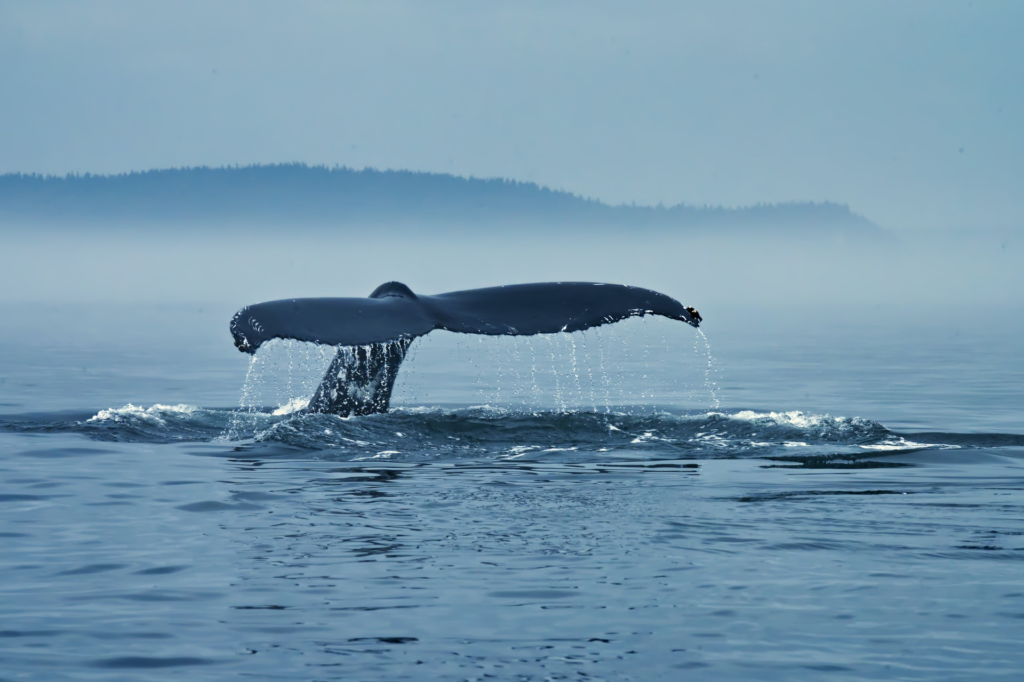
http://www.theguardian.com/environment/georgemonbiot/2014/dec/12/how-whale-poo-is-connected-to-climate-and-our-lives Friday 12 December 2014 07.00 GMT George Monbiot Not only does nutrient-rich whale poo help reverse the effects of climate change – it’s a remarkable example that nothing in the natural world occurs in isolation Whales often feed at depth but return to surface waters to defecate. Their faecal plumes fertilises the surface waters […]
(par 2.3) Ecosystem functioning
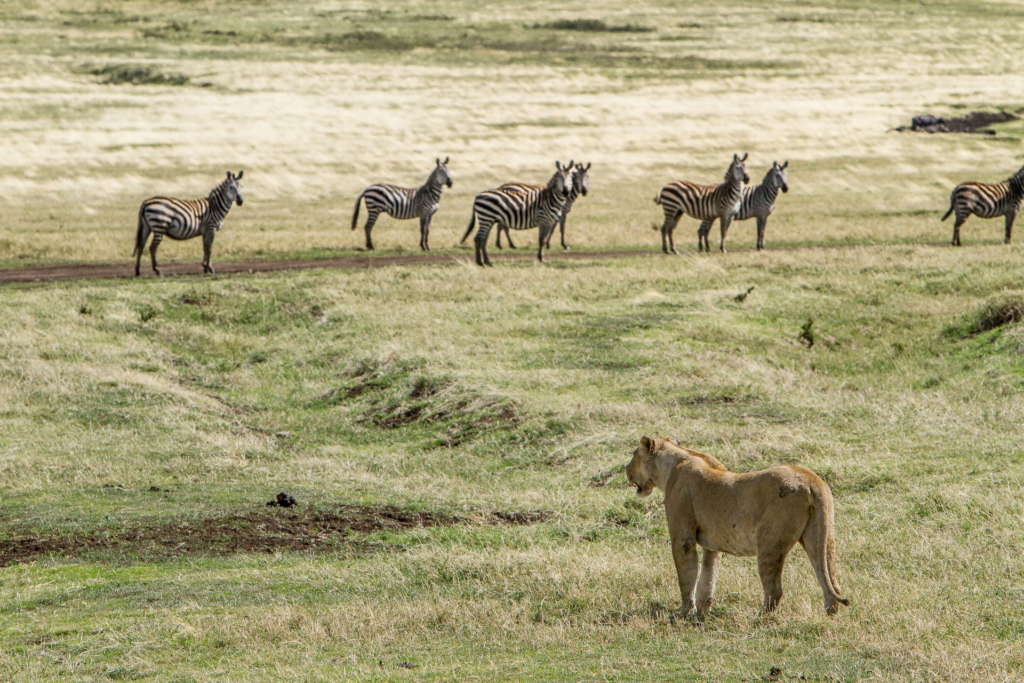
http://www.globalchange.umich.edu/globalchange1/current/lectures/kling/ecosystem/ecosystem.html “I bequeathe myself to the dirt, to grow from the grass I love; If you want me again, look for me under your boot-soles.” – Walt Whitman In this lesson, we will learn answers to the following questions: • What is an ecosystem, and how can we study one? • Is the earth an open or […]