
(par 6.3.2.1.1.6) Benefits & Disadvantages of Nuclear Power
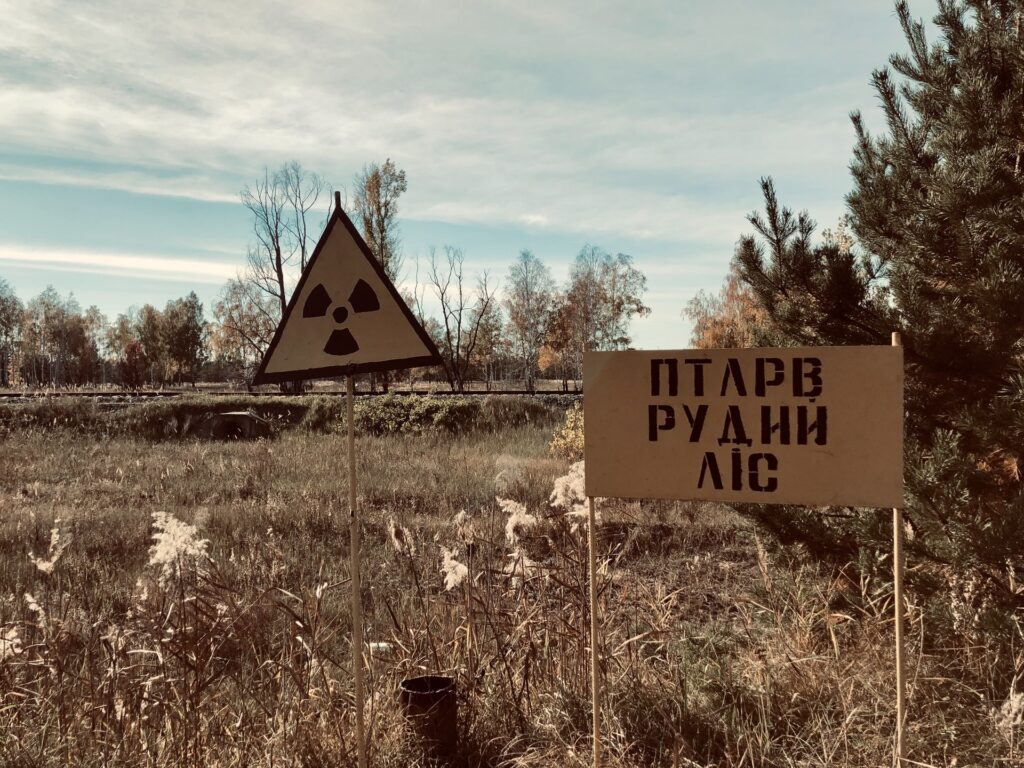
Benefits & Disadvantages of Nuclear Power http://education.seattlepi.com/benefits-disadvantages-nuclear-power-5908.html Educationby Demand Media by Ralph Heibutzki, Demand Media Nuclear plant licenses last an initial term of 40 years. Nuclear power’s role has aroused debate since the technology became widespread during the 1950s. Crises such as the Fukushima plant disaster in Japan have renewed concerns about safety and waste […]
(par 6.3.2.2 ) Renewable Energy Sources
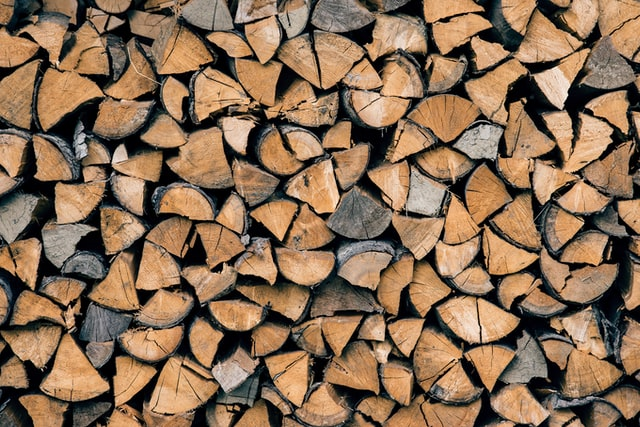
What is renewable energy? http://www.eschooltoday.com/energy/renewable-energy/what-is-renewable-energy.html Energy exists freely in nature. Some of them exist infinitely (never run out, called RENEWABLE), the rest have finite amounts (they took millions of years to form, and will run out one day, called NON-RENEWABLE) With this in mind, it is a lot easier to lay any type of energy source in […]
(par 6.3.2.2 ) Renewable energy
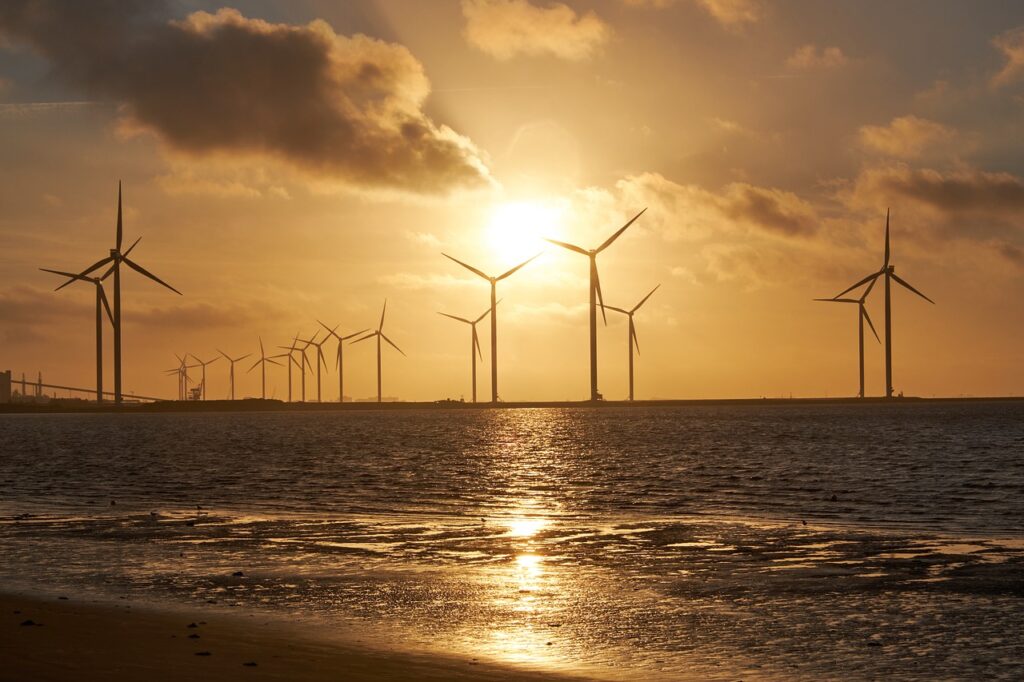
Renewable energy http://en.wikipedia.org/wiki/Renewable_energy From Wikipedia, the free encyclopedia Renewable energy is generally defined as energy that comes fromresources which are naturally replenished on a human timescale such assunlight, wind, rain, tides, waves and geothermal heat.[2] Renewable energy replaces conventional fuels in four distinct areas: electricity generation, hot water/space heating, motor fuels, and rural (off-grid) energy services.[3] Based on REN21‘s 2014 report, renewables contributed 19 percent to our energy consumption […]